
⏰ Time & Light
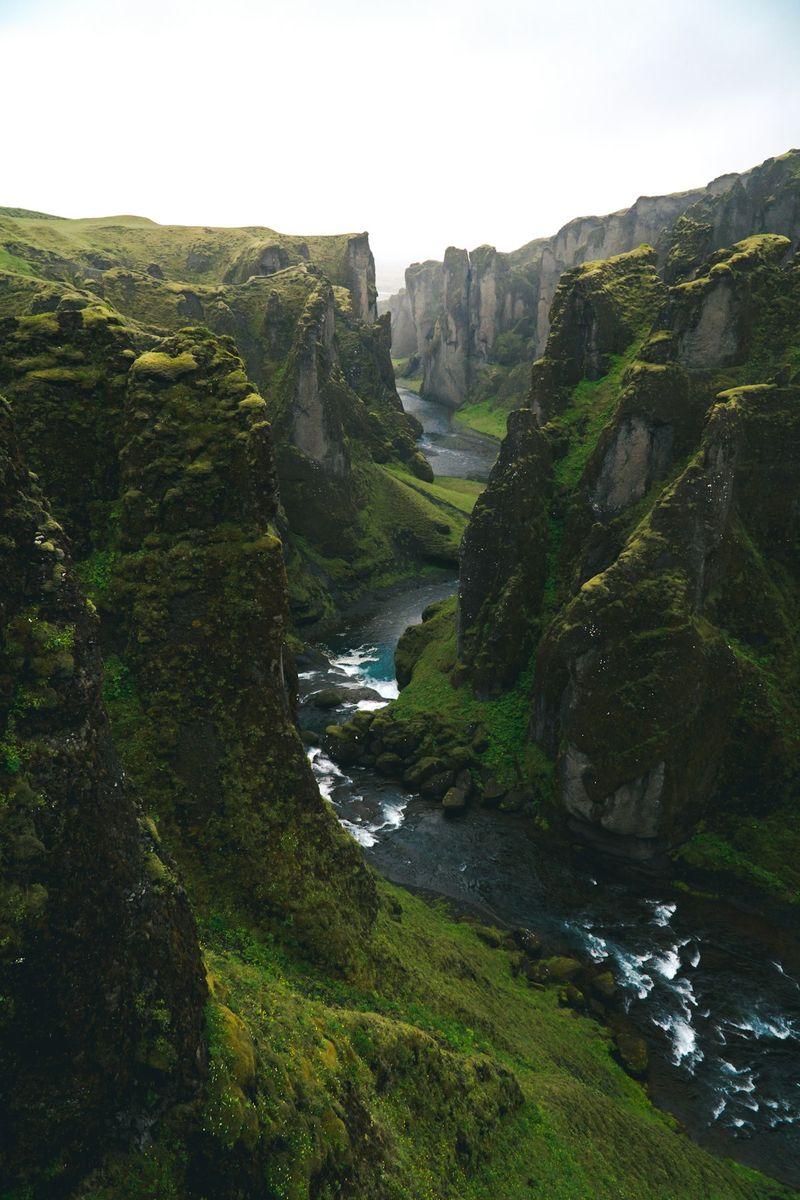
The light in Patagonia is unlike anything you have experienced. At the southern tip of South America, the sun traces an impossibly low arc across the sky, painting everything in shades of amber and rose for hours on end. During the golden hour, the granite spires of Torres del Paine glow like embers. I stood at the base of the towers at 6 AM, watching the first rays of sunlight strike the rock face. The granite shifted from deep shadow to burnt orange in mere minutes.
👂 Sensory Experience
The wind is Patagonia's most persistent companion. It howls across the steppe at 80 kilometers per hour, carrying the sharp scent of guanaco fur and dry grass. The air tastes metallic, thin with altitude. At night, silence replaces the wind, and you can hear the crack of glacial ice calving into turquoise lakes.
🏙 Space & Perspective
Patagonia operates on a scale that humbles the human ego. The Torres del Paine massif rises 2,500 meters from a flat glacial plain. The Grey Glacier stretches 6 kilometers wide, its surface cracked into cathedral-like crevasses that glow an impossible cobalt in the afternoon sun.
👥 People & Landscape
The gauchos of Patagonia are inseparable from their landscape. I met an old gaucho named Esteban who told me, 'The wind does not bother us. It is like a friend who talks too much. You learn to listen without answering.' His horses stood unbothered in the gale, their manes horizontal.
🎨 Color Aesthetics
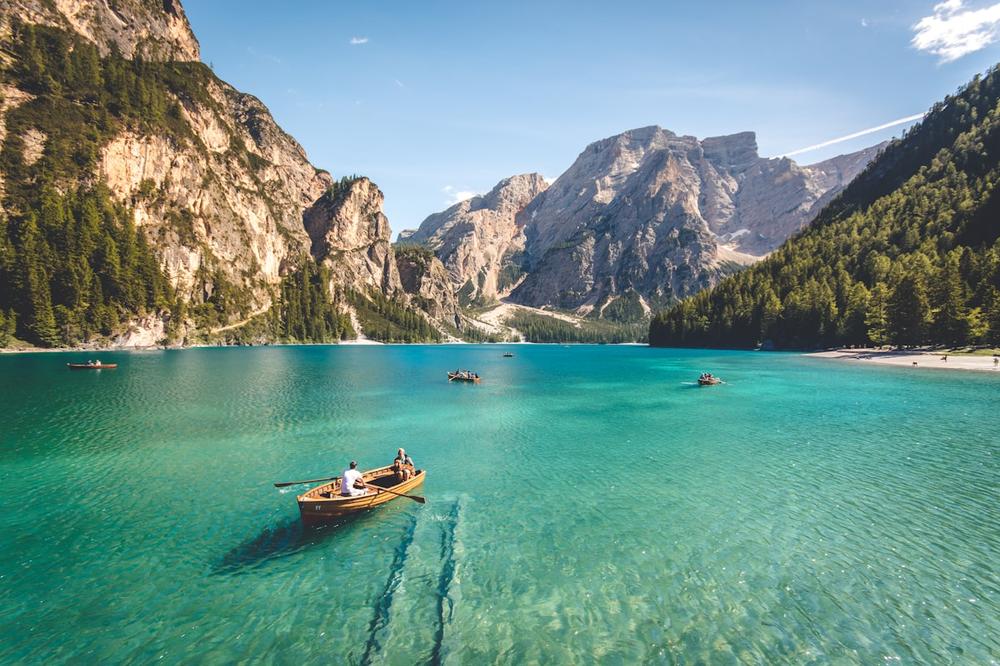
Patagonia's palette is defined by dramatic contrasts. The granite towers are warm sienna against skies that range from steel gray to electric blue. The lakes are supernatural turquoise, created by glacial flour. In autumn, the lenga forests ignite in crimson and gold.
Practical Guide
- Best visited November to March (Patagonian summer).
- The W Trek takes 4-5 days and covers the highlights.
- Pack layers - weather changes every 20 minutes.
- Book refugios months in advance.