
⏰ Time & Light
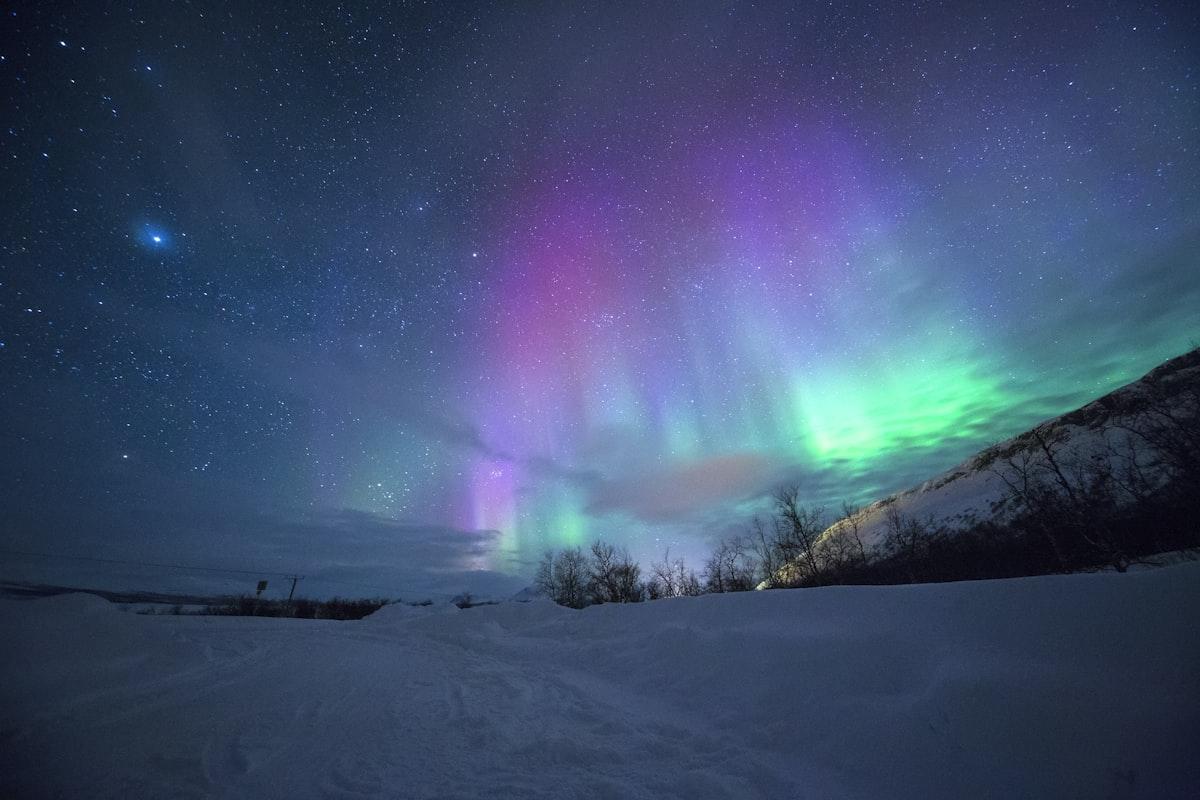
Northern Lights appear without warning - faint green glow intensifying into curtains of color. Best displays occur 10 PM to 2 AM. For photography: long exposures of 5-25 seconds. When bright, shorter exposures capture curtain structures; when faint, longer exposures reveal colors invisible to naked eye.
👂 Sensory Experience
Chasing aurora engages all senses in extreme conditions. Cold is brutal - minus 15 degrees with wind chill. Breath crystallizes instantly. Camera equipment becomes painfully cold. Yet watching green light ripple across sky while standing on frozen lake transcends physical discomfort.
🏙 Space & Perspective
Iceland offers perfect foregrounds: waterfalls, glaciers, lava fields, black sand beaches. Using these as anchors creates depth. Reflections in still water double impact. Kirkjufell mountain with Northern Lights reflected in stream is iconic.
👥 People & Landscape
Guide Kristjan reads Kp index like sailor reads weather. 'The lights are not guaranteed. You need clear skies, solar activity, and luck.' When aurora appeared, group fell silent. In shared silence, strangers became companions united by awe.
🎨 Color Aesthetics
Primary green from oxygen molecules, but strong displays introduce purple, pink, red. These are often invisible to naked eye but captured by long exposure. Contrast between green aurora and dark volcanic landscape creates graphic, high-impact images.
Practical Guide
- Best months: September to March (dark skies required).
- Use fast lens (f/2.8 or wider) and high ISO (1600-3200).
- Check Icelandic Met Office aurora forecast daily.
- Bring spare batteries - cold drains them fast.