
⏰ Time & Light
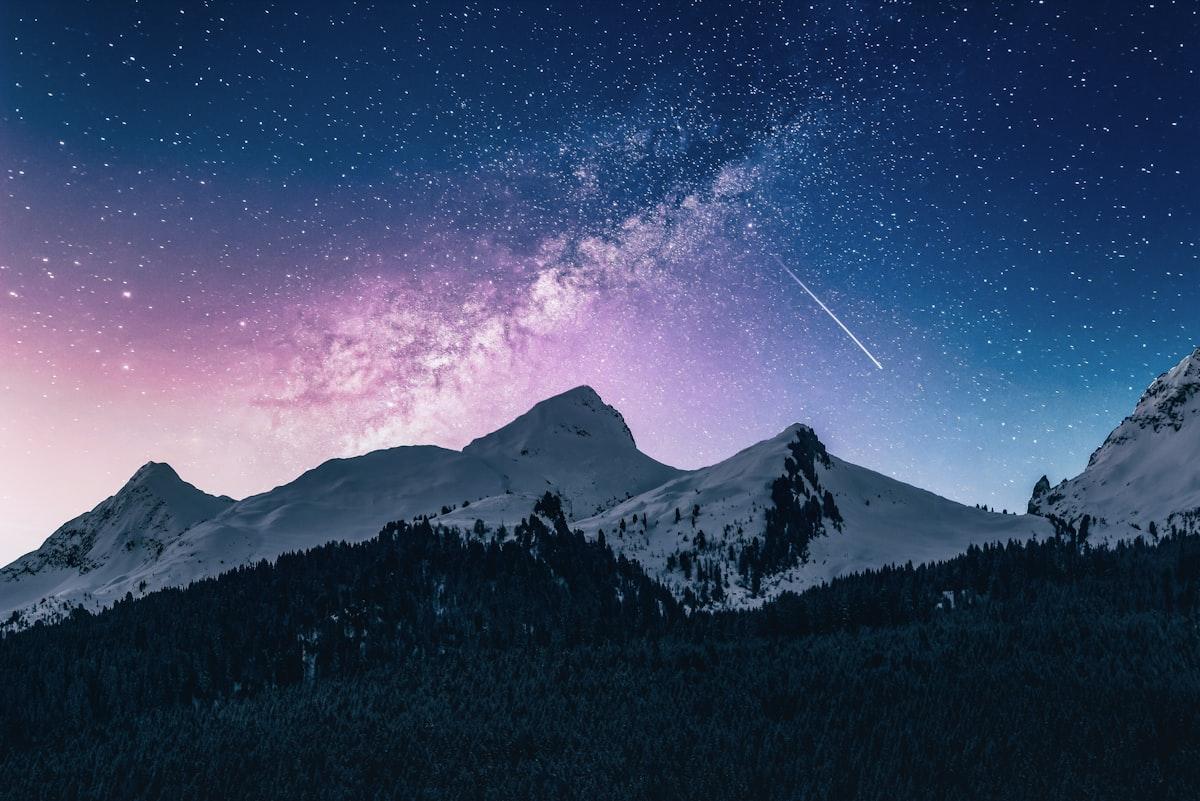
The Dolomites produce enrosadira: pale limestone turning from white to pink to deep crimson at sunrise/sunset. This 10-15 minute transformation is caused by specific mineral composition. At Seceda, watching Odle group ignite in crimson while valley below remains in blue shadow is a photographer's dream.
👂 Sensory Experience
Photographing in Dolomites is physical endeavor. Mountain air is thin and cold. Wind at altitude is fierce. Yet rewards justify every ounce: silence of dawn, distant cowbells, scent of pine resin, cold granite under hands - inseparable from photographs produced.
🏙 Space & Perspective
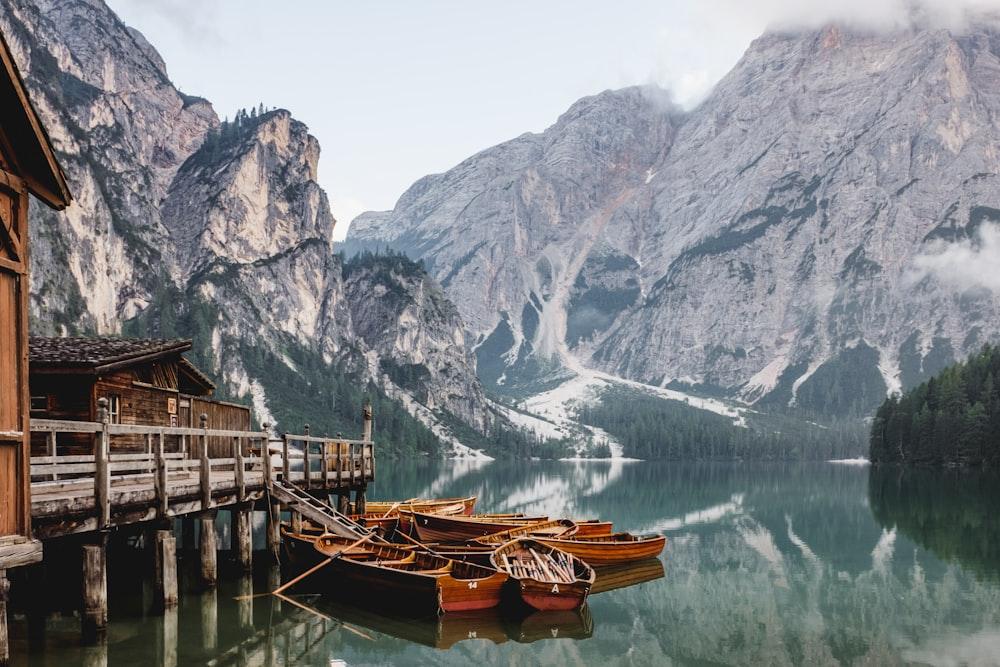
Tre Cime di Lavaredo provide dramatic subjects from every angle. Find foreground: alpine meadows with wildflowers, mountain huts, mirror-like Lago di Braies. Leading lines abundant. Contrast between soft green valleys and harsh vertical rock creates uniquely compelling images.
👥 People & Landscape
Ladin farmer Giovanni tends cattle at 2,000 meters behind Sassolungo peak. 'The mountain is our clock. When it turns pink, we bring cows down.' This practical relationship between mountain light and daily routine adds human dimension to photographic narrative.
🎨 Color Aesthetics
Interplay between pale rock and warm light. Dolomite naturally white-gray, but during enrosadira transforms through pink, coral, crimson. Valleys provide cool counterpoints: emerald meadows, dark pine, deep blue alpine lakes. Autumn larch forests turn gold.
Practical Guide
- Seceda and Tre Cime are most photogenic locations.
- Enrosadira best in clear weather after rainy day.
- Use graduated ND filter for balance.
- September-October for larch color and stable weather.